


Fuel Your GLP-1 Journey: Foods, Strength Training, & Supplements
- Josh Boughton

- Apr 6
- 14 min read
Updated: May 15
It’s been a while since I’ve been asked about a topic as much as I have been about GLP-1 medications and supplements that are making claims about having GLP-1-like effects.
I’m not going to get into whether GLP-1’s are bad or good or somewhere in between, that’s for other people to fight about, and I’m way too tired for that.
This blog is for those using GLP-1 medications and want to know how to best support their health while using them.

The Three Pillars Of GLP-1 Success: Food, Fitness, and Fuel
Two of the things that GLP-1’s do is reduce hunger and food noise. With reduced hunger, the vast majority of people on these medications eat much less. If you or someone you know is taking one of these medications, you have seen the big drop in food consumption. That’s one of the ways they cause weight loss.
There is one big downside to eating a lot less food: your intake of macronutrients (fat, protein, and carbs), micronutrients (vitamins and minerals), and other important compounds like fiber, polyphenols, antioxidants, and more goes down as well. Your body needs a certain amount of each of those to function properly. When deficiencies come, they create problems, some bigger than others; that’s why it’s important to get enough. For example, without enough high-quality protein, you lose muscle mass. We recommend seeing a dietitian when using these medications to ensure that you meet your nutritional needs. Many insurance plans cover visits to a dietitian, and you can often use an HSA or FSA to pay for them.
This blog will guide you through the three pillars of GLP-1 essentials: strength training, nutrition, and targeted supplementation to help you achieve the best results, while supporting healthy muscles and energy levels!
The Role of Strength Training in Preventing Muscle Loss While On GLP-1 Medicines
Before we get into the nutritional portion of this blog, we must talk about strength training. A significant portion of the weight loss on GLP-1’s is muscle. It’s essential that you do as much as possible to prevent muscle loss. If you are able to (some people have medical conditions, so they cannot), but not doing strength training while taking these medicines, you are doing yourself a big disservice. Losing a lot of muscle is not good for you and poses significant long-term health risks.
We like the three-pronged approach to exercise while on GLP-1s, as recommended by the University of Wisconsin-Madison:
“To retain muscle and overall health, follow a 3-step approach to exercise. First, gradually increase moderate activity like brisk walking, starting with 10 minutes daily and building to 150 minutes weekly. Second, add strength training 2 to 3 times weekly for 30 minutes using bands, weights, or body weight exercises (squats, lunges). Third, maintain progress with 30 to 60 minutes of daily activity while continuing the 2 to 3 weekly 30-minute strength-training sessions.”
Strength training, combined with adequate high-quality protein intake, is the best way to prevent muscle loss and preserve muscle mass.
We cannot stress enough how important this is when taking a GLP-1medication. Please do not skip it. Your long-term health depends on it!
GLP-1 Nutrition Strategies: Making Every Bite Count While Prioritizing Protein anD Fiber
Now it’s time to talk macronutrients (fats, protein, and carbs) and fiber. Let’s start with carbohydrates. Your body's preferred energy source is carbohydrates. Without enough carbs, you can feel sluggish and tired. We recommend getting the majority of your carbs from water-rich fruits and vegetables. These are much more nutrient-dense and easier on the digestive tract than dry foods like grains, breads, pastas, and crackers. It’s best to avoid a lot of very dry foods while on GLP-1s. Hydration and keeping stools soft and moving are very important.
While fat got a bad rap in the past due to faulty science, your body needs fat to survive. We recommend low omega-6 fat sources because almost everyone gets far too much omega-6 in their diet, which can lead to many health issues. Here are our recommended fat sources:
Pasture-raised eggs
Olives
Avocados
Good olive oil
Best for low-heat cooking and finishing foods.
Look for single-origin olive oils. When you buy olive oil blended from different countries, there is a good chance it is adulterated.
Grass-fed beef tallow made from suet
Good for high-heat cooking.
Grass-fed butter and ghee
Ghee is good for high-heat cooking.
Grass-fed dairy products
Yogurt and kefir are especially good because they are easier to digest and contain probiotics and postbiotics.
Raw or dry-roasted macadamia nuts
Small amounts of ethical coconut oil
Good fats help support nutrient absorption, so make sure to include some at every meal. You don’t need to be munching on sticks of butter like the crazy social media people, but you do need good fats.
It’s time to talk protein because most people on GLP-1’s are not consuming enough protein. Very, very few people on GLP-1’s are consuming enough protein. Lack of adequate protein intake is a big reason why people lose so much muscle while on these medications.
There are many recommendations on how much protein to consume while on a GLP-1, and they vary widely. We recommend consuming about 1.6 grams of protein per kilogram of body weight (.73 grams per pound) to preserve muscle during weight loss. This means a 150-pound person would need about 110 grams of protein. You should aim to distribute protein across your meals evenly.
We recommend choosing proteins with some fat, such as fattier cuts of beef, because they are less constipating than leaner cuts. Consuming a lot of very lean protein while on GLP-1 is a good way to get constipated.
Here are some easy ways to get about thirty grams of protein:
5 ounces of wild salmon
5 scrambled eggs
4 ounces of steak
1 cup cottage cheese
Choose cottage cheese without added fillers, gums, and thickeners, as they can be hard on the digestive tract. Kalona Supernatural makes a great one.
4 oz bison or buffalo
6 ounces tempeh
Tempeh is made by fermenting soybeans. It is easier to digest than tofu or edamame, so it makes a great choice for vegetarians on GLP-1’s who need more easy-to-digest protein.
4 ounces of lamb
5 ounces of canned sardines with the skin and bones
Choose sardines packed in water
Protein powders can be useful, but there are some variables: more on this later in the article.
Fiber is so, so important when on a GLP-1. Now I know it’s popular to hate on fiber on social media, but I promise it’s good for you. People not getting enough fiber is one of the big reasons (obviously not the only one) why colon cancer rates are rising so much. I’m not talking about all that ultra-processed crap advertising 30 grams of fiber in a tortilla or granola bar, that wrecks your gut. That type of fiber is not what we are looking for. What you want is whole foods rich in both soluble and insoluble fiber that are easy on the digestive system, do not cause gas and bloating, are rich in water, and travel through more easily. Insoluble fiber provides bulk to stools and feeds beneficial bacteria, while soluble fiber softens stools, allowing them to pass more easily. That’s why you want both.
Make sure to drink plenty of water as well. When you have plenty of fiber but not enough water, it’s a recipe for some not-so-fun times. Women should aim for 30-35 grams, and men for 35-40 grams per day. Now, if you are used to getting little to no fiber, it’s important to start slowly and gradually increase, because going from zero to thirty real fast will make you gassy and bloated.
Here are some of our favorite gentle fiber foods that are great for people on GLP-1s (and, of course, they are good for others as well). Keep in mind that both fresh and frozen fruits and vegetables are great. Use whichever ones are easiest and most convenient for you.
Passionfruit
½ a cup with seeds and pulp has 12 grams of fiber
Guava
1 cup has 9 grams of fiber
Pomegranate
1 cup of seeds has 9 grams of fiber
Blackberries
1 cup has 8 grams of fiber
Raspberries
1 cup has 8 grams of fiber
Blueberries
1 cup has 4 grams of fiber
Kiwis with the skin
3-4 grams of fiber
If you get kidney stones, it is best to avoid the skin.
Pear with skin
5-6 grams of fiber
Apple with the skin
4-5 grams of fiber
Medium orange
3 grams of fiber
Strawberries
1 cup has 3 grams of fiber
Banana
1 medium banana has 3 grams of fiber.
Medium avocado
9 grams of fiber
Mango
1 cup has 3 grams of fiber
Persimmon
1 fruit has around 6 grams of fiber
Pumpkin
1 cup has 7 grams of fiber
It’s delicious cooked in the oven like a squash with butter and salt.
Cooked parsnips
1 cup has 6 grams of fiber
Cooked winter squash
1 cup has 5-6 grams of fiber
Carrots
1 cup has 4-5 grams of fiber
Cooked sweet potato
1 cup has six grams of fiber
All of these foods are water-rich, making them a great choice for GLP-1 users. Just because a food isn't on this list doesn't mean it’s bad. I just don’t feel like writing a list of the fiber content of two hundred foods. I know some of you are asking why beans are not on this list. Beans are a healthy, fiber-rich food. The reason we didn’t put them on this list is that many people don’t digest beans well; they transit a bit slower than the other foods listed, and this is an easy-to-digest fiber list. If you tolerate beans well, then have at them!

Foods To Relieve GLP-1 Nausea, Constipation, and Bloating
Some foods can provide additional support while you are on a GLP-1 medication, to help reduce the side effects. If you are having severe side effects, it’s important to talk to your doctor right away.
First up are bitter foods. Slowly and thoroughly chewing them ten minutes before a meal will greatly improve your digestion, as they help stimulate digestive secretions. Here are a few good ones:
Endive
Arugula
Raddichio
Grapefruit peel
If you are on other medications, please check to make sure it is safe to have grapefruit while on them, as grapefruit interacts with a lot of medications.
Dandelion greens
Fresh cranberries
Cranberry sauce won’t cut it for this.
Unsweetened ethical cacao nibs
These are also rich in magnesium, a mineral most people don’t get enough of.
Fresh artichokes (can’t use the jarred kind for this)
The other nice thing about artichokes is that they help support gastric motility and are rich in prebiotic fiber that feeds your good bacteria.
Having a bitter, digestive tea after meals is very helpful as well.
Dandelion root
Bitter melon
Reishi mushroom
Made from the fruiting bodies, not the mycelium
Burdock
I can’t say enough about eating a few tablespoons of lactofermented vegetables (pickled vegetables made without vinegar) with each meal. This will greatly improve your digestion and reduce GI side effects from the medications. This brand is one of our favorites (the ginger carrots are amazing). These are things like pickles, kimchi, sauerkraut, etc. The ones you want, with live probiotics and postbiotics, will be in the refrigerated section. They are not shelf-stable.
My favorite food for people on GLP-1’s, though, has to be ginger. Ginger offers many benefits, but two in particular are important. First, it reduces nausea. Nausea is a common side effect of GLP-1 meds, and ginger can help reduce it.
The second, and most important, is that it helps to improve the function of the Migrating Motor Complex (MMC). This is a pattern of gastrointestinal motility that helps to move food along and clear the stomach and digestive tract of undigested residue and bacteria. Improving MMC function helps with the constipation and nausea that many people experience with GLP-1s. Sluggish MMC function also increases the risk of SIBO. These are some of the best ways to use ginger for maximum MMC support.
Unsweetened tea made from fresh ginger slices.
Slice fresh ginger and put it in a cup with hot water. Cover and let it steep for ten minutes.
Ginger tea bags will not be strong enough for this; you want fresh ginger.
Don’t add a sweetener
Drink this between meals
Don’t drink too much of this if you take warfarin or aspirin, as it can be slightly blood-thinning.
Chew a piece of fresh ginger between meals.
Don’t use ginger candy for this, as it contains sugar, which defeats the purpose of doing this.
It’s ok to have ginger candy with meals if you are feeling nauseous and find it helps.
Here are some other ways to improve MMC function:
Don’t eat between meals. Give the body at least four hours between meals if possible.
This includes sugary beverages like soda and juice because they keep the digestive process going.
Stick to water or unsweetened herbal teas.
Even zero-calorie sweeteners should be avoided during this time.
Eat all your food within a twelve hour period, such as 7 to 7 or 8 to 8, unless you have a medical issue that prevents this.
Stop eating 2-3 hours before bed.
Take a walk before and after meals (aka the fart walk).
Drink plenty of fluids.
Sit down to eat and chew your food slowly; don’t eat on the run, and practice mindful eating.
Consistently practice good stress management. While it’s not possible to eliminate stress, how you respond to it makes a big difference.
Life After Food Noise: Navigating New Eating Habits & Cravings To Have A Better Relationship With Food
While you are on a GLP-1 medicine, it’s important to work on improving your relationship with food. Many people gain the weight back after stopping a GLP-1 because they go back to their old behaviors. Taking the time to work on your relationship with food while doing the medication is very important.
Some people may be able to do this on their own with self-help books and journals, while others may need a therapist. There’s no shame in seeing a therapist to help you, because it’s no different than going to the doctor to have them fix a broken bone or give you some stitches.
These are some of our favorite books on the subject to help get you started. We highly recommend the workbook. Workbooks allow for a deeper understanding and can often be more therapeutic than simply reading a book because you are interacting and writing your thoughts. Do this with a physical paperbook, not an online one.
Common Nutrient Deficiencies on GLP-1 and How to Avoid Them
Nutrient deficiencies associated with GLP-1 medications primarily result from the dramatic reduction in food intake, not from the medication itself. The nutrient deficiencies are pretty severe and affect many vitamins and minerals, including iron, zinc, calcium, iodine, and B12. I’ve not seen such widespread nutrient deficiency from any other medications. I know that seems dramatic, but it is serious. I cannot stress enough that even if you don’t want to eat, you need to, because chronic nutrient deficiencies lead to serious problems that should not be ignored. You cannot get enough nutrients by eating only a tiny amount of food.
It’s not vitamins and minerals either. Secondary food constituents like polyphenols, flavonols, antioxidants, bioflavonoids, creatine, etc, have big benefits, but the vast majority of people on GLP-1’s are not eating enough fruits, vegetables, and high-quality animal foods to get enough of these disease-fighting compounds.
Think of me as your Italian Nona, you need to eat! Making sure you eat enough, even if you don’t want to, is the best way to prevent nutrient deficiencies.
Debunking "Nature’s Ozempic": Why Supplements Are Not GLP-1s
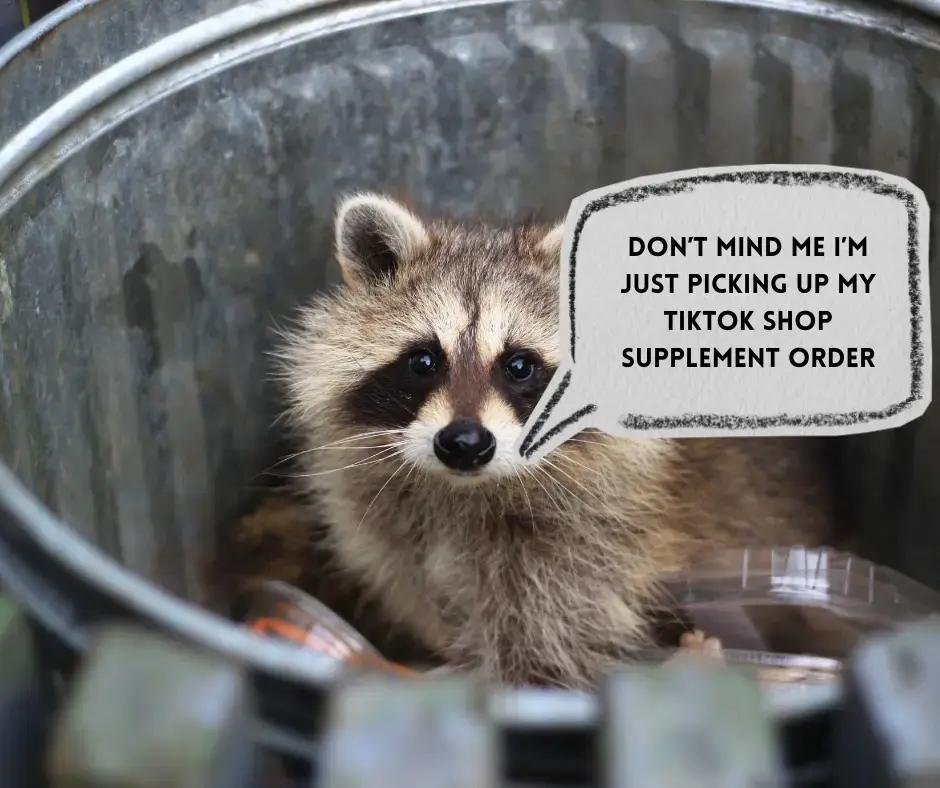
There are a ton of supplements all over the internet and social media (Influencers on TikTok need to calm the hell down about this), claiming to be like GLP-1 medications or “nature’s Ozempic”. I want to make it very clear that all of these claims are completely false, and you should not trust any company or website making them. There is no over-the-counter supplement with the effects of a GLP-1 medication, and there shouldn't be, because anyone using something as strong as a GLP-1 medication should be monitored by their doctor. It’s also why we are very against all those online pill mills handing them out to everyone like candy online, without any real oversight by a doctor. There is a lot of improper usage of these medications going on because of those places, which is causing a lot of people to get very sick and have serious side effects.
Now, it would take a lot of science to fully explain why no supplement will have the effects of GLP-1 medications, but here are the basics:
One reason medications like Ozempic cause weight loss is that they mimic the GLP-1 hormone in a sustained, significant way by binding to its receptors to trigger its effects. This is not a perfect explanation, but none of you want to sit here and read the hundred pages I could write on GLP-1, so we're going basic here.
The keywords in there are sustained and significant. Many supplements and foods, like berberine, can trigger small, short-term increases in GLP-1 levels, but they do not come anywhere close to the sustained, significant levels achieved by the drugs. That’s why a supplement can never be “nature’s Ozempic.”
If you see any supplements being advertised as “Nature’s Ozempic” or making GLP-1 type claims, you should run far away from them. It’s clear the company is just out to make a buck and does not care about you. All those products are going to do is make your wallet a little bit lighter, not reduce the numbers on the scale.
The Best Supplements for GLP-1 Support: What Actually Works*
While there are no supplements that act like GLP-1 medications, there are some that can help support your nutrition, gut, and overall health while you are on them.*
First, and most importantly, is a good multivitamin. In this case, we recommend a well-formulated and complete prenatal vitamin for men and women. I’m not talking about a one-a-day or gummy version. A properly formulated one of these provides higher levels of nutrients, such as B12 and magnesium, in better forms than those in standard prenatal vitamins. This helps ensure you are getting enough nutrients to fill gaps if you are not able to eat enough. It’s important they contain non-constipating forms of iron that don’t reduce gut motility. It should also contain ginger extract and a good amount of methylated B6 (p5p) to help reduce nausea.* To learn what to look for in a prenatal vitamin, check out our blog. The difference in how you feel taking a good prenatal vitamin after a few weeks, while you’re on GLP-1, especially if you have been on it for a while, is eye-opening.*
Second is a good protein shake. It can be hard for many people on GLP-1’s to get enough protein. That’s when protein shakes can come in handy. However, there are a few things to consider when choosing a protein shake to ensure you get one that won't cause digestive issues.
First, you want one that is quickly and easily digested. Slower-digesting protein powders are not good for people on GLP-1’s. For example, avoid protein powders made with casein.
Second, you want one that does not contain additives like gums and thickeners. These can irritate the gut and slow the transit of the protein powders.
Third, look for protein powders without lots of added sweeteners and flavorings because many of these can have negative effects on your gut.
Lastly, make sure you mix them into a good amount of liquid, such as milk or water.
One of our favorite protein powders for those on GLP-1's is John's Killer Protein Lactose Free Whey Protein Isolate, which is fast-digesting, made from grass-fed cows, free of gums and sweeteners, and doesn't have lactose, which is problematic for many people.
One of the best ways to use it is to make this for breakfast:
One scoop of the whey protein
One scoop of Gi Globulin
More on this in a moment
1 cup frozen raspberries or blackberries
12 ounces of milk
Each serving provides 9 grams of fiber, 30 grams of easy-to-digest protein, lots of calcium and B12, support for your gut microbiome*, and lots of prebiotics, polyphenols, and antioxidants. It's the perfect start to the day for someone on a GLP-1 medicine.
If you are not able to eat enough fruits and vegetables, whole-food electrolytes can help support healthy energy levels, and a gentle fiber supplement can support regularity. Make sure to drink it with plenty of water, though!
Third is a protokinetic formula that helps to support healthy MMC function.* Our favorite one is Moss Nutrition Motility Select. It contains:
Organic ginger
DGL licorice
DGL licorice has the compound removed that raises blood pressure.
Potassium
5-HTP
You should not use this formula if you take SSRIs, as 5-HTP is contraindicated with these medicines.
Potassium
Turmeric extract
Potassium
B6 (as p5p)
It should be taken between meals. It is not a laxative and does not cause dependency. Its effects build over time, so make sure to take it consistently.
Moss Nutrition Gi Globulin, which contains IGY, is another supplement that we highly recommend. It supports many aspects of gut health, including a healthy balance of good and bad bacteria, a healthy gut lining, and healthy gut motility.*
As always, it is best to speak with your doctor before starting any supplements to ensure they are right for you and do not interact with your medications.
GLP-1 Fitness, Nutrition, and Supplement Questions
If you have questions about the three pillars of GLP-1 support we discussed in this blog, please email us at info@rooted-nutrition.com, and we would be happy to answer them!


